Read field notes
Blog posts will document experiments, campaigns, and seasonal learning.
Agroecology
Chhahari explains agroecology through real farm systems: biodiversity, soil, water, animals, people, local food traditions, and community value chains.
Three lenses
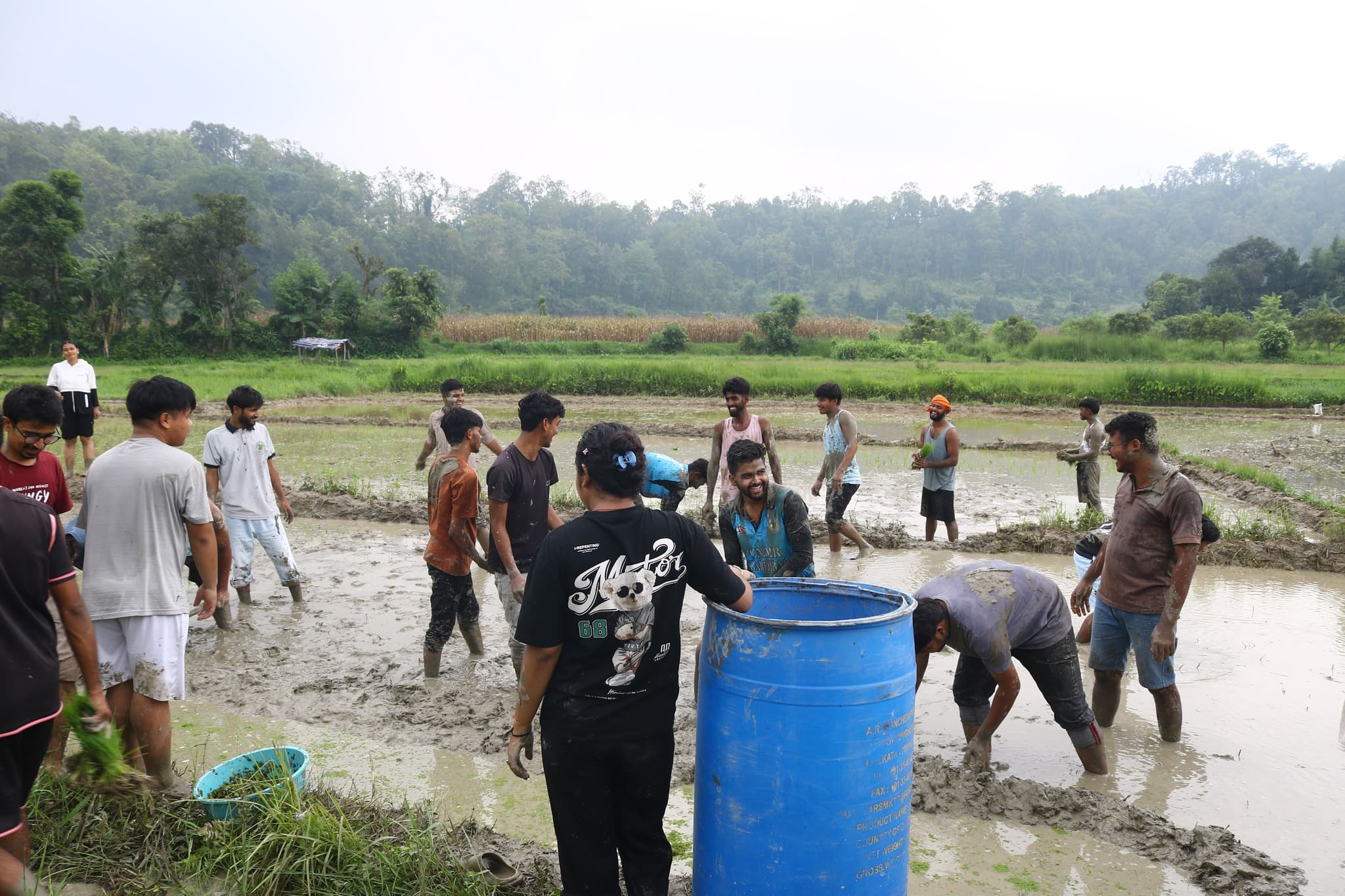
Chhahari treats agroecology as a way to study the farm, operate the farm, and organize community learning around the farm.
01
Demonstration plots, observation, field notes, trainings, and future farm self-assessment make the farm a learning laboratory.
02
Organic, natural, permaculture, regenerative, and agroecological methods are applied through living production systems.
03
Talks, campaigns, articles, child learning, youth participation, and community partnerships move the work beyond the farm.
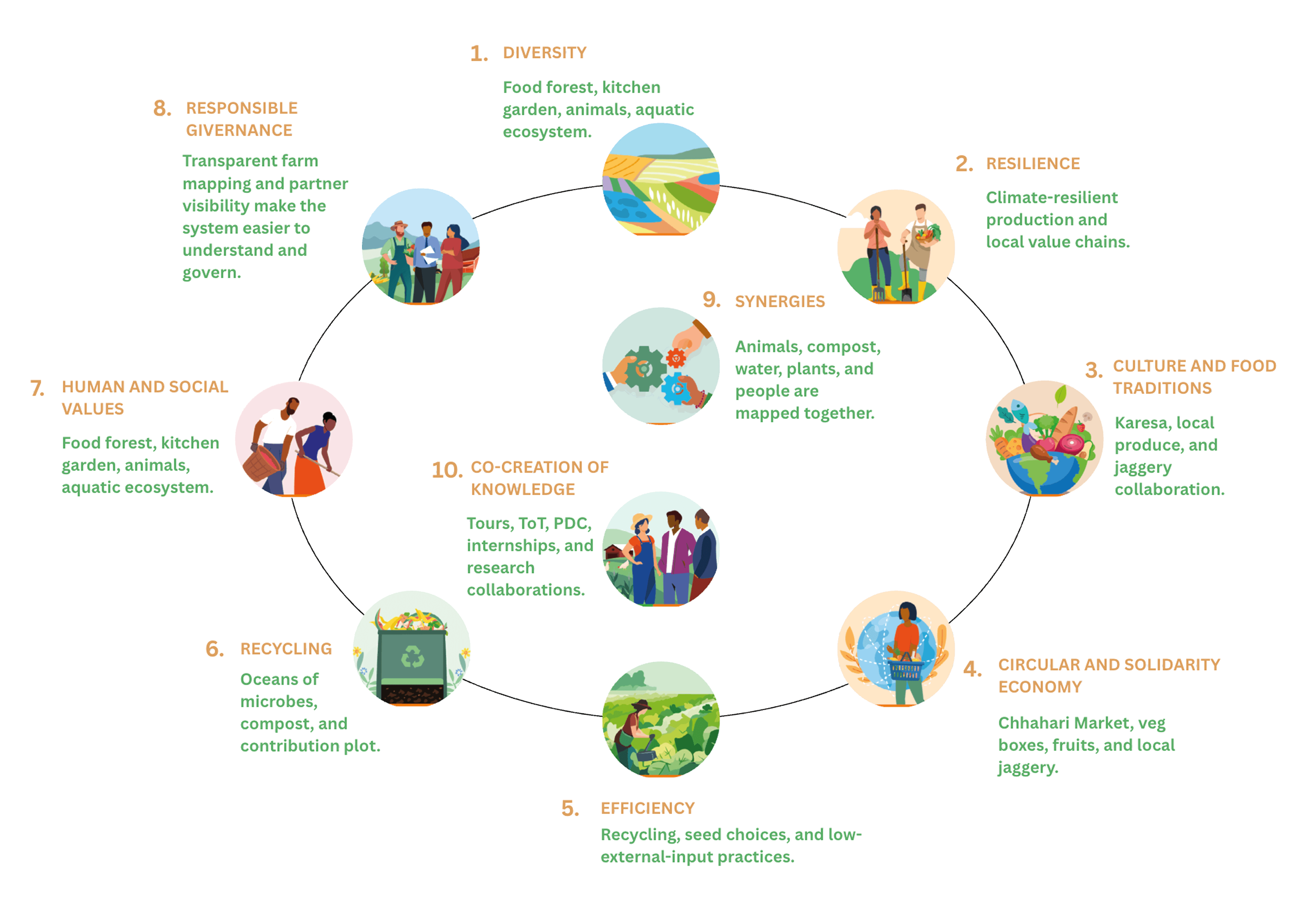
FAO 10 Elements
For now, Chhahari is documenting visible farm evidence against each element before publishing any formal assessment.
Next steps
The agroecology page should lead visitors toward evidence, learning programs, and field documentation.
Blog posts will document experiments, campaigns, and seasonal learning.
PDC, agroecology ToT, and model farm training are listed under Programs.